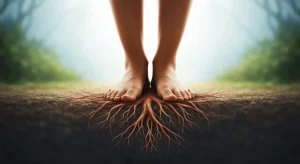
Have you ever felt disconnected from your body? Perhaps the grounding exercise of the Muladhara chakra feels challenging for you. If that’s the case, I highly recommend starting with a body scan to familiarize yourself with the sensations in your body and to develop deep awareness.
This practice is for everyone—whether you’re completely new to meditation or looking to deepen your existing practice.
It’s also a wonderful technique if you struggle with falling asleep, as a body scan can bring you into such a deep state of relaxation that you might drift off while practicing. However, the spiritual body scan isn’t just for sleep—it’s a gateway to greater bodily awareness and inner connection. When you tune in deeply to your physical sensations, you begin to recognize subtle signals from your body that you might otherwise overlook. This awareness helps you not only relax but also become more conscious of how your body truly feels from within. You stop simply feeling “pain in your abdomen” and start perceiving your body as an intelligent, responsive field of sensations.
While doing this practice for better body awareness, people often fall asleep—and this is completely natural.
How to Engage Deeply with Your Body Through Body Scan Awareness
Many of my friends and clients are familiar with basic spiritual body scan meditation techniques that focus solely on the limbs. Today, I invite you to take a deeper dive. Instead of merely thinking about your body parts, I encourage you to bring your consciousness to your big toe during this practice.
Instead of just observing, actually feel the big toe. Is it round, square, tall, or short? As you concentrate during your body scan meditation, you may start to notice sensations—pressure, heaviness, tingling, or even pain. Remember, pain can often indicate an energy blockage.
Through regular body scan practice, you will gain increased awareness of your limbs, organs, and tissues. You’ll become more attuned to what happens in your body as you navigate different life stages, and you’ll cultivate a more intuitive understanding of your physical and emotional states.
A Personal Experience with Body Scan Awareness
I first encountered the spiritual body scan in 2007 through my partner who introduced me to this powerful meditation practice. At first, the process felt simple—mainly scanning the limbs and observing basic sensations. But with time, a natural curiosity arose: What if this awareness could go deeper? What if I could sense what was happening inside my organs and tissues?
That question led me to explore the practice beyond relaxation or sleep. During a period of physical challenge, I noticed unusual sensations in my liver area—something that initially didn’t make sense, since I’d always believed the liver had no pain receptors. Yet, through awareness cultivated by regular body scans, I could sense an imbalance long before it became obvious in any other way.
This moment showed me how the practice isn’t merely about calming the mind or relaxing before sleep—it’s a gateway to inner communication with the body. When we learn to feel from within, not just think about our body, we begin to detect subtle changes, signals, or discomforts that often go unnoticed in daily life.
Through consistent practice, the body starts revealing its wisdom. It teaches us where attention, rest, or energy is needed. This deeper relationship with the body nurtures both intuitive understanding and self-healing potential—something everyone can experience through conscious practice.
Step-by-Step Body Scan for Deep Relaxation and Awareness
Basic Spiritual Body Scan Meditation Steps for Beginners
If this is your first time practicing this, let’s take it slow and gentle. Here’s how to begin:
1. Find a Quiet Space
Choose a peaceful environment where you won’t be disturbed. You may play soft meditative music, but I prefer silence to fully tune into my body.
2. Get Comfortable
You can practice this wherever you feel comfortable—on your bed, yoga mat, massage bed, or even on the grass. You can even do it during a massage if you want to prevent your mind from jumping all over the place.
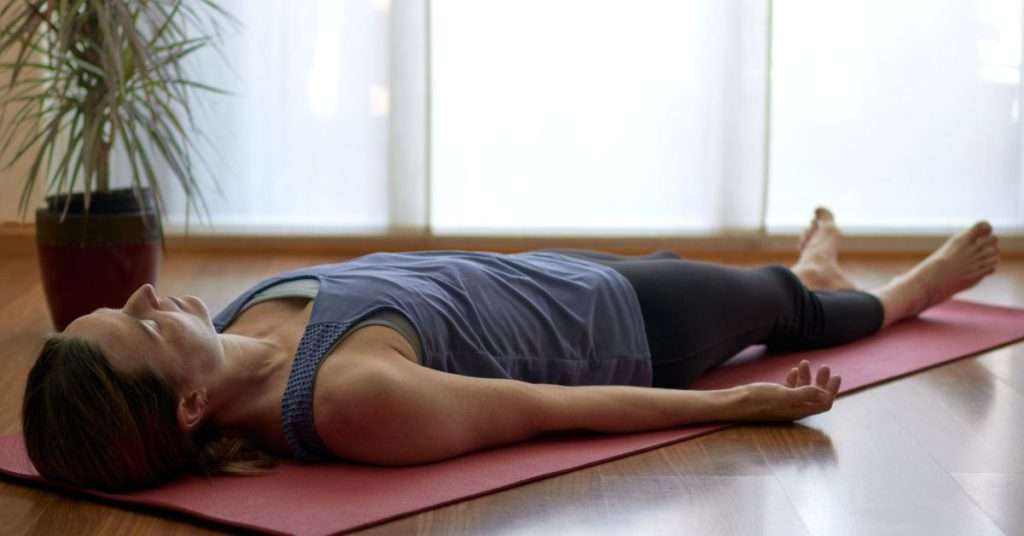
Lie on your back with your arms extended by your sides, palms facing up. Keep your legs straight and slightly apart to minimize distractions.
Important for your head positioning: Make sure your head is not elevated on a pillow. If you experience headaches or neck pain when you lay your head down, try this: lift up your head, place your chin against your sternum, and while your neck is extended in this position, lay your head back down. Many people have neck or head pain because when they lay down, they make their neck short and throat long, which causes the head to tilt back.

3. Close Your Eyes and Breathe
Take three deep breaths and allow your body to naturally relax. Focus on abdominal inhalations and exhalations—breathe in through your nose and out through your nose. As you settle in, make gentle pauses before inhaling or exhaling. These small pauses invite more calmness and awareness into your system.
4. Start with One Leg
Gently bring your awareness to your foot, then slowly move to your ankle, lower leg, knee, thigh, and hip. After finishing one leg, switch to the other. Take your time with each area.
5. Continue Upward
Move your attention through your pelvic floor, abdomen, lower back, chest, arms, throat, neck, and finally, your head. Sometimes you may feel vibrations or energy sensations in certain areas of your body. If any of these feelings make you uncomfortable, simply open your eyes—this will bring you directly back to the present moment.
6. Stay Present
Once you complete the scan, remain still and simply observe any sensations in your body. If you feel relaxed enough to fall asleep, that’s perfectly fine—your body knows what it needs.
Many people find that this practice naturally prepares them for deep rest. If you often meditate before bed or struggle to unwind at night, the body scan can also become a gentle and natural way to drift into sleep.
Do You Have Sleeping Problems? Try a Body Scan
If you struggle to fall asleep or often find your mind racing at night, the body scan meditation can be a simple and effective alternative to sleeping pills. Instead of reaching for medication, try guiding your attention slowly through your body. Go gently, don’t rush—just move part by part, allowing your awareness to soften each area as you go.
Begin with your toes, noticing any tingling or warmth. Move to the sole, heel, and ankle—perhaps feeling light pins and needles as circulation increases. Continue upward to your shin, calf, and knee. At the knee, you might again notice subtle sensations—energy shifts or gentle vibrations. From there, move through the thigh, quadriceps, and hip, then repeat the same slow, mindful process on your other foot and leg.
Bring your awareness next to the buttocks, lower abdomen, waist, abdomen, chest, and lower back. Sense how each part of your body gradually releases tension as your attention rests upon it. Continue moving upward to your upper back, shoulders, and arms—feeling into your fingers, hands, wrists, forearms, upper arms, and shoulders once more. Finally, let your awareness rise to your neck, jaw, face, and scalp, letting go completely.
This mindful journey through the body calms your nervous system and gently signals to your mind that it’s time to rest. There’s no goal and no rush—just awareness, breath, and presence. Many people find that before they even finish the scan, their body has already surrendered to sleep. Over time, the body scan for sleep becomes a natural bedtime ritual that helps you drift off more peacefully and wake up feeling refreshed.
Advanced Body Scan Techniques
Once you’re comfortable with the basic practice (usually after a few sessions), you’re ready to explore deeper levels of body awareness:
Focus on One Body Part
Instead of scanning broadly, concentrate on a specific area—let’s say your foot. Immerse your consciousness completely in that area and notice whatever sensations arise.
Take Your Time
Don’t rush this deeper practice. Ensure you genuinely feel something in each area before moving to the next. This patience is where the real magic happens.
Progress Gradually
Continue this focused process, moving from your foot to your ankle, then to your calf, and so on. Each time you revisit an area, notice how it feels different from before.
Exploring Even Deeper: Organ and Tissue Awareness
In this advanced stage, expand your focus to all your toes individually, feeling each one separately. As you progress, you should notice distinct sensations throughout your body.
Now, let’s move to the deeper layers of awareness—your organs, skin, tissues, and even cells. You can direct your consciousness wherever feels right. For example, try bringing your awareness to your teeth and their roots in your jaw, or focus on your heart, liver, or kidneys.
It might sound unusual, but trust your intuition. Your body holds incredible wisdom when you learn to listen. The exercise helps you cultivate that listening ability, opening pathways to both physical and energetic understanding.
Your Personal Journey with Body Scan
Remember, your spiritual body scan meditation journey is uniquely yours. How much time and energy you invest in this practice depends entirely on what feels right for you. There’s no pressure to rush or achieve anything specific.
As you develop this body awareness through regular practice, you’ll find that grounding meditations and other spiritual practices become much easier and more effective. You’ll begin to experience the profound benefits of living in conscious connection with your physical form.
Most importantly, trust what you feel. Your body has its own intelligence and will guide you if you learn to listen.
Ready to Explore Deeper Healing?
If you’re drawn to explore how body awareness can support your overall healing journey, I offer personalized Metta Healing sessions that work with your body’s natural wisdom. Whether hands-on healing on Koh Phangan or through distance healing, we can explore what your body is ready to release and heal.
Have questions about the body scan meditation or want to share your experience? I’d love to hear from you—feel free to reach out.
With Metta,
David Stojanović